Subscribe Now
Generational Skin Disorders
Many of us are lucky to inherit good traits from our elders – athleticism, good hair, straight teeth, intelligence. Sometimes, though, we are not as fortunate and end up taking some of the bad traits as well. Among these are skin disorders. Sometimes the disorders are not as serious and can be treated and controlled. Other times, they are serious and end up being a detriment and risk to our connective tissues, cutaneous tissues, or even worse our neurological system.
Albinism
A very famous condition, as it steals all the color from it’s host with little to no skin pigmentation, albinism has two different types. In both types, you may notice almost transparent hair, skin, or irises that appear red. In the first type of this disorder there is a defect in the overall production of melanin. In type 2, the person may have a little bit more color as the defect comes with the “P” gene and not with melanin directly.
Ichthyosis Vulgaris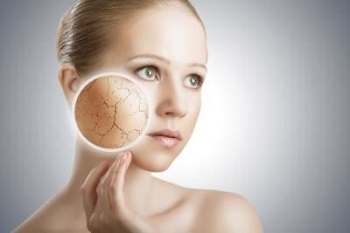
This is one of the most common skin disorder. It is accompanied by severely dry, itchy skin that may in turn end up thickening more so than normal. This occurs mostly around the legs, but can sometimes spread to the arms, abdomen, or hands.
This disorder usually proves to interrupt in the winter, and sometimes disappears for large periods of time in adulthood. Therefore, it has rarely caused any major health issues, often resolving itself on its own.
Incontinentia Pigmenti
This disorder can be very dangerous as it is a neuro-cutaneous disorder. This mean that it affects the brain. It can also be seen in symptoms centered around the teeth, skin, eyes, skeleton and, more dangerously, the central nervous system. The skin symptoms are caused by an overproduction of melanin. This can be seen through spots on the skin or a wave-like texture. Though you may notice the skin symptoms disappearing, the neurological effects remain over time, making it a constant risk factor for the victim.
Xeroderma Pigmentosa
 Of the lesser-known disorders is this one. It causes the skin covering the retina to be particularly sensitive to UV light. This can also happen on the skin causing symptoms alike to those with someone who sat in the sun for two long. This means there is a higher chance to get sunburned, skin flaking, discoloration and painful scaling and consequential oozing.
Ectodermal Dysplasia
This disorder is caused by multiple defects in the victim’s genes. It can sometimes be easily noticed as the person may have a noticeably large forehead and low nasal bridge. It can affect most areas of the body,coming with a plethora of symptoms. They include thin skin, thin hair, missing hair or teeth, decreased production of tears, hearing issues, and a strong and foul smelling nasal discharge.
Ehlers-Danlos Conditions
This disorder targets the vessels in the blood, connective tissues, and joints. All six of the conditions that come with this disorder are very rare. The most common of the six is the hypermobility, which can cause symptoms of heart-valve issues, severe and early-onset arthritis, hyper-extension of joints, easy bruising, and extremely soft skin.
More
Other disorders can cause tumors to grow on nerves, subsequently causing skin and bone anomalies. Benign tumors can also grow on the brain, as seen with the condition Tuberous sclerosis causing seizures, mental retardation, and behavioral disorders.
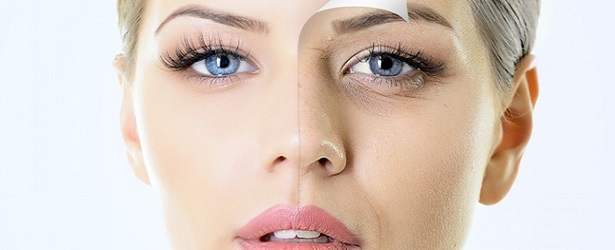
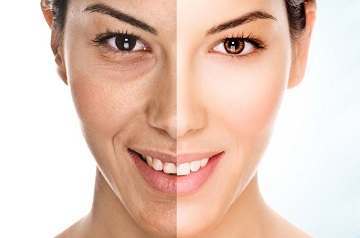 In simpler terms, it is a waxy fat that creates a protective barrier for your skin, while hydrating and plumping it up at the same time. It is everything you ever need in one package, and something that most people have never heard of.

 As Vitamin A is a vitamin high in lipids or fats. A lack of it can cause skin disorders akin to psoriasis or acne. This means that the person would experience problems related to flaky, dry skin, or skin that is sensitive to breakouts.
 B3, which is more commonly known as niacin, is responsible for keeping the skin healthy, hydrated and protected. With a lack of this key vitamin, you may develop pellagra. Though it is not common in the United States, it is possible to develop this rare skin disorder. You would want to avoid that as it is accompanied by scaly, cracked and dry skin as well as canker sores and a burning sensation that leaves the tongue red and swollen.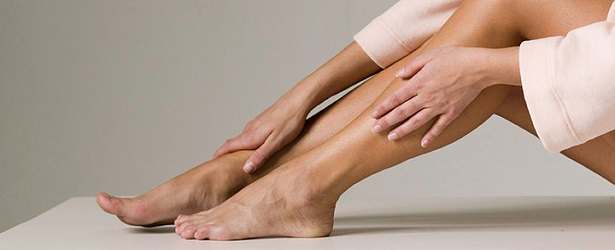
 What Do Phytoceramides Contain?
 Adverse Effects Of Phytoceramides
 Phytoceramides are plant-based ceramides produced from extracts of wheat, rice, bran and sweet potatoes. The fat-based cells are found in abundance in younger skin.